
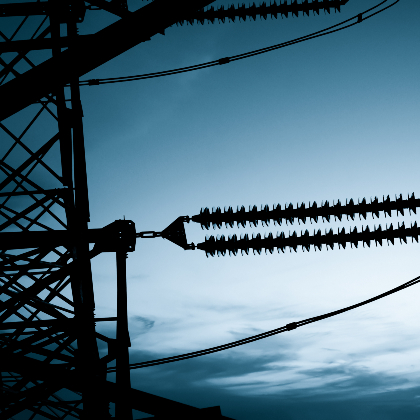
Power surges happen fast. A lightning strike, a grid spike, or a large motor switching on nearby can send excess voltage through your electrical system in milliseconds. For industries that depend on sensitive electronic equipment, that split-second event can mean damaged components, lost data, and costly downtime.
This article covers what surge protection is used for, the device types available, and how products like the Dehnguard, Dehngap, KVA UPS, loadcell surge protectors, and 3-way filter plugs work together to protect your operations.
What Surge Protection Does and Why It Matters
A surge protection device (SPD) limits the voltage reaching your equipment during a power spike. When a transient event occurs, the SPD diverts excess energy to ground or absorbs the spike before it hits connected electronics. Once the surge passes, the device resets and normal power flow continues.
Protecting sensitive equipment from power surges goes beyond avoiding one catastrophic failure. Repeated smaller surges gradually degrade internal components, leading to unexplained malfunctions, inaccurate readings, and premature failure. In industrial settings where precision matters, even minor degradation can throw off quality control.
The financial case is clear. Replacing a damaged indicator or control system is expensive, but the real cost lies in downtime. When a critical system goes offline, production halts and revenue is lost. Surge protection is a small investment compared to the aftermath of an unprotected event.
Types of Surge Protection Devices
SPDs are classified into three types based on location in the electrical system. Type 1 devices are at the main service entrance, handling the heaviest surges from lightning. Type 2 devices sit at downstream distribution boards, while Type 3 devices are placed close to individual equipment.
The Dehnguard is a Type 2 surge arrester using varistor technology. It clamps overvoltages caused by inductive coupling, remote lightning, and switching disturbances, with a modular plug-in design for easy maintenance. The Dehngap is a spark-gap-based arrester installed between the neutral and protective earth conductors, handling high-energy surges that travel this path during a lightning event.
For effective surge protection on industrial and electronic systems, these device types need to be layered. Type 1 absorbs the bulk of energy, Type 2 reduces what remains, and Type 3 fine-tunes protection at the equipment. Skipping a layer leaves gaps that allow damaging voltages through.
Protecting Load Cells and Weighing Electronics
Load cells convert physical weight into tiny electrical signals, often measured in millivolts. Because these signals are so small, even a minor voltage disturbance can cause inaccurate readings or permanent damage to internal strain gauges. Weighbridges and process weighing systems are especially vulnerable because their long signal cables pick up induced surges.
A dedicated loadcell surge protector addresses this directly. The LT1260, for example, installs on the signal cabling between load cell and indicator, clamping surges immediately without introducing leakage that affects accuracy. For full coverage, one protector is installed at the scale and another in the control room to protect the indicators.
Without this protection, a single nearby lightning event can destroy multiple load cells and connected electronics in one hit. Beyond the repair bill, the real cost is often weeks of downtime while parts are sourced and systems recalibrated.
The Role of UPS Systems and Filter Plugs
While SPDs handle sudden spikes, a KVA UPS (uninterruptible power supply) tackles power quality and continuity. It provides stable, clean output regardless of what is happening on the incoming supply. If the mains voltage dips or drops out, the UPS switches to battery power, keeping systems running.
A double-conversion UPS goes further by continuously converting incoming power through a DC stage and back, filtering out noise, harmonics, and minor fluctuations. It works as both a stabiliser and backup source, making it essential where grid supply is unstable.
The 3-way filter plug adds a final layer at the point of use, combining electrical surge protection with EMI and RFI filtering in a simple plug format. While not a substitute for upstream SPDs or a UPS, it catches smaller disturbances that degrade equipment over time. Together, these devices create a complete shield from the mains down to each device.
In Conclusion
Surge protection keeps electronic equipment safe from voltage spikes caused by lightning, grid disturbances, or switching. From the Dehngap and Dehnguard at the distribution board, to loadcell protectors on signal cables, to UPS systems and filter plugs at each device, every layer plays a role. In Africa, where lightning activity ranks among the most intense globally, this protection is essential for sensitive equipment.
At Sasco Africa, our surge and lightning protection products are built to keep your weighing systems and electronics running. Whether you need a full protection kit, individual components, or guidance on the right setup, our team is ready to help. Get in touch today for a quote on industrial and commercial weighing solutions tailored to your needs.

Jonathan is a Kenyan born British national who acquired Sasco from Avery Berkel in 2002 and took on the challenge of revitalizing the then ailing company. Jonathan has been CEO of various listed companies, spent 10 years as an investment banker in London, is committed to innovation and in a firm believer in the exceptional growth prospects for Africa over the coming decades.