
The Complete Guide To Industrial Weighing In African Mining
The role of accurate and reliable weight data in managing mine production, material reconciliation, commercial transactions, regulatory compliance and operational uptime.
- Sasco Knowledge Centre
- News Type: Industrial Weighing in African Mining
At a Glance
Industrial weighing in African mining is more than recording tonnes. It is a connected measurement system that supports production, reconciliation, loading, dispatch, trade and compliance.
Reliable weighing depends on selecting the correct technology for each measurement point, then ensuring the instrumentation, installation, operating process, automation, data and maintenance work together. This guide explains how weighbridges, belt scales, load-out systems, vessel weighing, bagging and automation fit across the mining value chain, as well as the principles of accuracy, calibration, verification, traceability and reconciliation.
Key takeaways
- Different weighing systems serve different purposes and their results are not automatically directly comparable.
- Reliable weight data depends on the complete measurement chain, not the weighing instrument alone.
- Every weighing point should have a defined purpose, expected performance, evidence trail and role within the mine’s wider measurement architecture.
Weight is not merely a reading
Across a mining operation, weight data connects physical material movement to operational and commercial decisions. It can influence what a mine believes it has extracted, processed, stored, dispatched, received or sold.
When that data is dependable, teams can reconcile tonnes across the value chain, control loading, reduce avoidable losses and defend transactions. When it is not, the result is rarely confined to one instrument: uncertainty spreads into production reports, stock estimates, invoices, maintenance decisions and customer disputes.
Industrial weighing is therefore better understood as a measurement system than as a collection of scales. The instrument matters, but so do the civil works, installation, material flow, operating procedure, vehicle or material identification, data capture, integration, maintenance and evidence chain around it. Physical infrastructure, software and operational responsibility must work as one measurement system. A system can display a precise-looking number and still fail to provide a result that the business should trust.
This guide explains the main weighing applications in African mining, the fundamentals that determine accuracy, and the questions a project or operations team should ask before specifying, upgrading, or relying on a system.
1. What industrial weighing means in mining
Industrial weighing is the measurement of mass within an operational or commercial process. In mining, it can take place while material is stationary, while it moves on a conveyor, during loading or filling, or as a vehicle or rail wagon passes through a controlled point. The correct method depends on what the business needs to know, the material, the required capacity and accuracy, the operating environment, and whether the result has a legally regulated purpose.
| Application | Typical question answered | Common system |
| Vehicle receiving or dispatch | How much material entered or left by truck? | Weighbridge or approved vehicle-weighing system |
| Conveyor transfer | How many tonnes passed this transfer point? | Belt scale / continuous totalising system |
| Truck or rail load-out | Has each vehicle or wagon received the target load? | Hopper/bin weighing, load cells and automated controls |
| Bagging or bulk bags | Did each package receive the intended quantity? | Bagging, filling and checkweighing system |
| Silo, bin or tank inventory | How much material is held in the vessel? | Load-cell vessel weighing |
| Batching and process control | Was the correct quantity added to the process? | Batch weighing integrated with controls |
No single weighing point describes the entire mine. A sound architecture assigns a clear purpose to each point and defines how results will be compared. A weighbridge may suit road dispatch, a belt scale continuous plant flow, and a load-out system for repeatable loading. Their values will not automatically agree unless timing, material boundaries, moisture, stock movements, losses and measurement uncertainty are understood.
2. Why accuracy matters commercially
Accuracy is not an abstract laboratory quality. It determines how closely a reported result represents the quantity being measured under stated conditions. In mining, even a small systematic bias can accumulate across high throughput. The practical consequence can be product giveaway, under-recorded production, overloading, disputed receipts, inconsistent metallurgical accounting or a false indication of process performance.
The most useful starting question is not “What is the most accurate scale?” It is “What decision will this measurement support, and what level of uncertainty can that decision tolerate?” A trade transaction, a process-control loop, an inventory estimate and a maintenance trend do not necessarily require the same instrument, controls or evidence.
3. Trade Weighing vs Process Weighing: Understanding the Difference
Trade weighing, also called legal-for-trade weighing, determines a quantity for a commercial transaction or other legally controlled purpose. Depending on the application and jurisdiction, it may require trade-approved weighing equipment and compliance with national legal-metrology legislation, approved instrument types, prescribed verification, sealing and use requirements.
Process weighing is used primarily to control or understand an internal operation. It still requires disciplined calibration, maintenance and traceability, but the legal framework and acceptance criteria may differ from those applicable to legal-for-trade weighing systems.
The distinction should be confirmed at the requirements stage. A process instrument should not quietly become the basis for commercial settlement simply because its reading is available in a dashboard. Conversely, specifying every internal measurement as if it requires trade-approved equipment can add unnecessary cost without improving the operational decision.
The responsible team must document the intended use and apply the relevant legal-metrology requirements of the country in which the instrument operates.
4. Where weighing fits across the mining value chain
The highest value comes from treating weighing points as a connected measurement architecture. At extraction and haulage, on-board or vehicle systems can support load control and movement records. At crushing and processing, belt scales and vessel weighing can measure flows, feed rates or inventory. At load-out and dispatch, controlled filling and vehicle or rail weighing establish shipment quantities. At receiving points, an independent measurement may become the basis for reconciliation or dispute.
Commodity changes the engineering detail, not the first principle. Copper and cobalt operations may need robust measurement across concentrator, stockpile and outbound logistics. Coal and iron ore operations often combine very high belt throughput with rail or truck load-out. Gold circuits may place greater emphasis on smaller high-value streams and disciplined accounting. Lithium, chrome, manganese, diamonds and rare-earth operations each introduce different material behaviour, moisture, dust, security, packaging and process requirements. The system must be designed around the actual flow sheet and commercial boundary.
5. Weighbridges: the controlled road gateway
A weighbridge is often the visible commercial gateway of a mine, but its performance depends on much more than the deck and indicator. Site selection, foundation stability, approaches, drainage, earthing, lightning protection, load cells, junction boxes, cabling, vehicle positioning and operating discipline all contribute to the result. A high-quality instrument installed on a settling foundation or used with contaminated approaches cannot deliver stable performance.
A typical transaction uses a gross and tare weighing to calculate net material. The business must control vehicle identification, permissible movement between weighings, ticket changes, manual overrides, duplicate transactions and the link between the vehicle, driver, order, material and destination. Automation can extend this control through vehicle-identification scanners or ANPR, autonomous entry and exit validation, barriers, sensors, cameras, transaction records and real-time reporting. The objective is not simply to remove an operator, but to create a controlled, traceable workflow with clearly defined exception handling and data ownership.
-
- Define whether the bridge is for trade, internal process control, overloading control or a combination.
- Confirm maximum vehicle configuration, maximum load, traffic volume and future capacity.
- Design approaches, drainage and traffic flow as part of the weighing system.
- Specify how unmanned or remote operation will handle exceptions and safety.
- Preserve a clear audit trail for edits, reprints, manual weights and aborted transactions.
6. Belt scales: measuring a moving process
A belt scale determines mass flow by combining a load measurement from the conveyor with belt-speed information. It can provide instantaneous flow rate and accumulated total. Its usefulness depends on the mechanical and operating condition of the conveyor: belt tension, alignment, idlers, loading profile, material build-up, vibration, inclination, speed measurement and the length and location of the weighing zone can all affect performance.
Calibration alone cannot compensate for a poor installation. The team should establish a repeatable test method, inspect the conveyor around the scale, maintain consistent belt conditions, and compare results with a suitable reference or material test where practical. When the belt scale is used for control, the response time and integration with feeders or plant controls matter. When it is used for reconciliation, the measurement boundary and time alignment matter just as much.
7. Load-out, batching and vessel weighing
Load-out systems combine measurement and control. A bin, hopper or silo may be supported on load cells; the control system then meters material into a truck or rail wagon to reach the target without excessive underfill or overfill. The mechanical design must allow the vessel to transfer load to the load cells without unintended restraints from pipes, structures, dust boots or material build-up. Flexible connections and correct mounting are essential.
Automation can sequence gates, feeders, traffic controls and transaction records, but the project should define how coarse and fine feed stages work, how in-flight material is handled, how the system recovers after a stop, and how an operator resolves an out-of-tolerance load. A fast system that repeatedly creates rework is not a high-throughput system.
8. Bagging, filling and checkweighing
Some mineral products move in smaller bags, bulk bags or other controlled packages. Here the weighing system must balance accuracy with fill speed, dust management, product flow and operator safety. Material that bridges, floods, aerates or changes bulk density can require specialised feeding and control. Checkweighing can provide an independent control point, while reject and rework rules protect the packing line from becoming a source of unexplained giveaway.
9. Automation, software and the evidence chain
A mine does not gain control simply by connecting an instrument to software. The useful system links an identified material movement to an authorised transaction, a trusted weight, a time, a location and the relevant commercial or operational reference. Integration may extend to vehicle identification, entry and exit validation, barriers, cameras, PLC, SCADA, ERP or SAP environments. The design must protect data integrity at the point of capture and through every transfer, while making exceptions and manual interventions visible.
-
- Define the master record for vehicles, materials, customers, suppliers and orders.
- Use role-based permissions and preserve an audit trail for changes, overrides and aborted transactions.
- Synchronise time across devices and systems so reconciliations compare the same reporting period.
- Design autonomous entry and exit validation, traffic control and exception handling around the actual site workflow.
- Separate measured values from manually entered or estimated values, and make real-time reporting useful to the stakeholders who rely on it.
- Monitor instrument health, communications and abnormal transaction patterns rather than waiting for a month-end mismatch.
CASE STUDY: Limberg Mining Company – Integrated Weighing in Practice
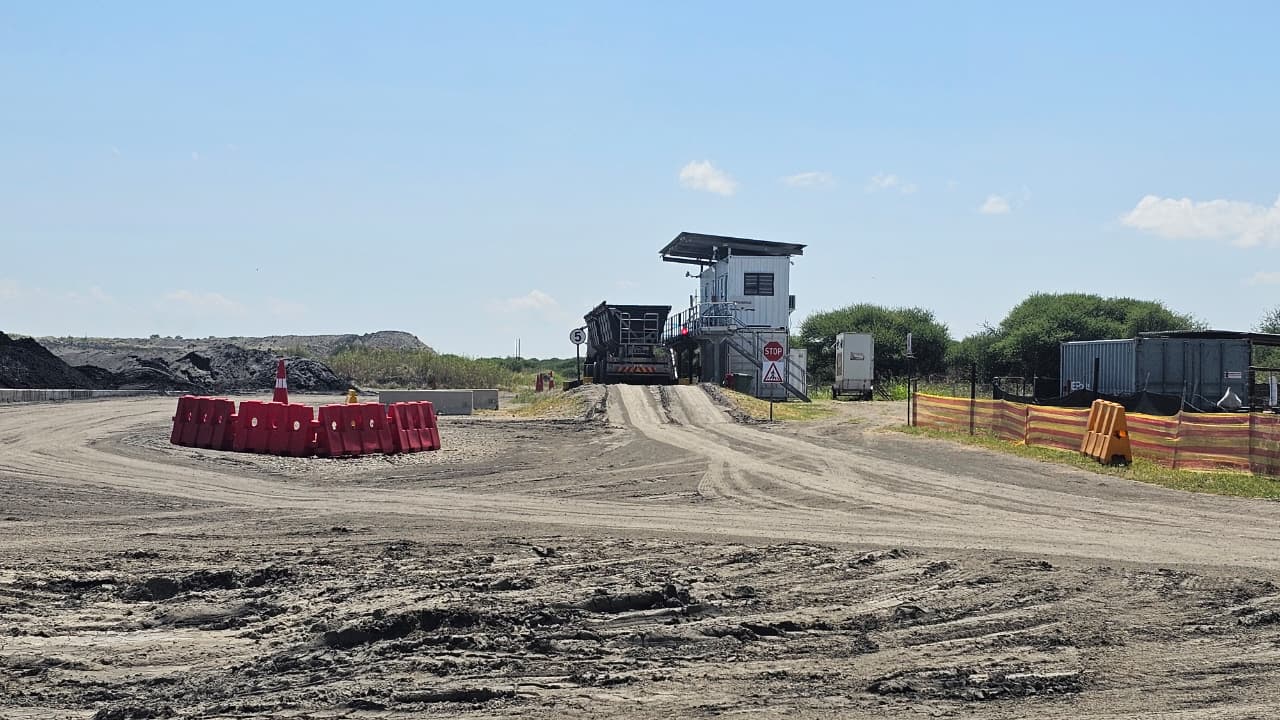
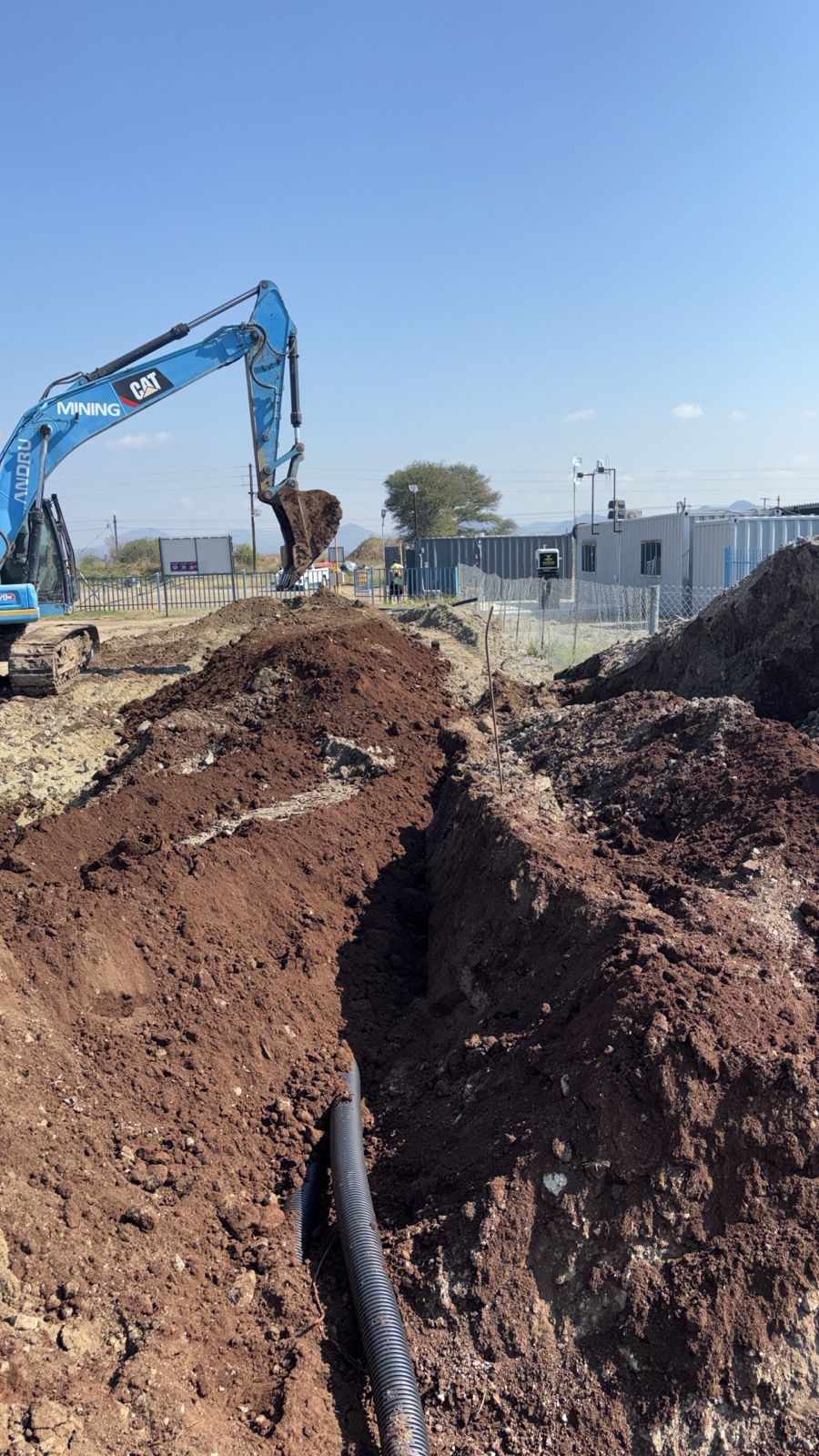
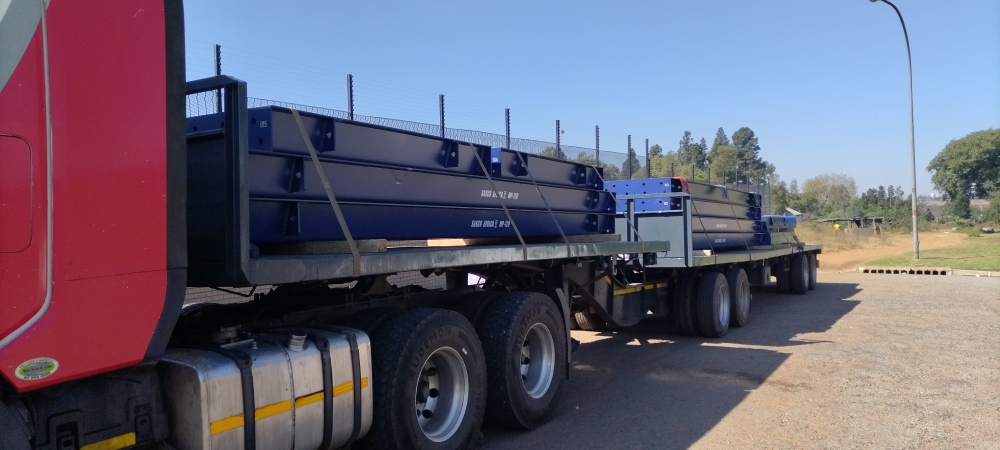
Sasco Africa’s work at Limberg Mining Company demonstrates how this integrated approach can be applied in practice. As part of an infrastructure and capacity upgrade, an existing weighbridge was increased to a verified 80-ton capacity for PBS vehicles, while a staging area and main weighbridge approximately 2.4 km apart were connected. Civil works, automation, vehicle-identification scanners, barriers and weighing software were integrated into a fully automated weighing process.
The result brings weighing, vehicle identification, traffic control and transaction records into one traceable system. Autonomous entry and exit validation strengthen product security and transaction control, while reduced personnel involvement supports accuracy and efficiency. Automated real-time reporting improves stakeholder visibility, while integrated controls support compliance and help reduce the risk of fraudulent transactions.
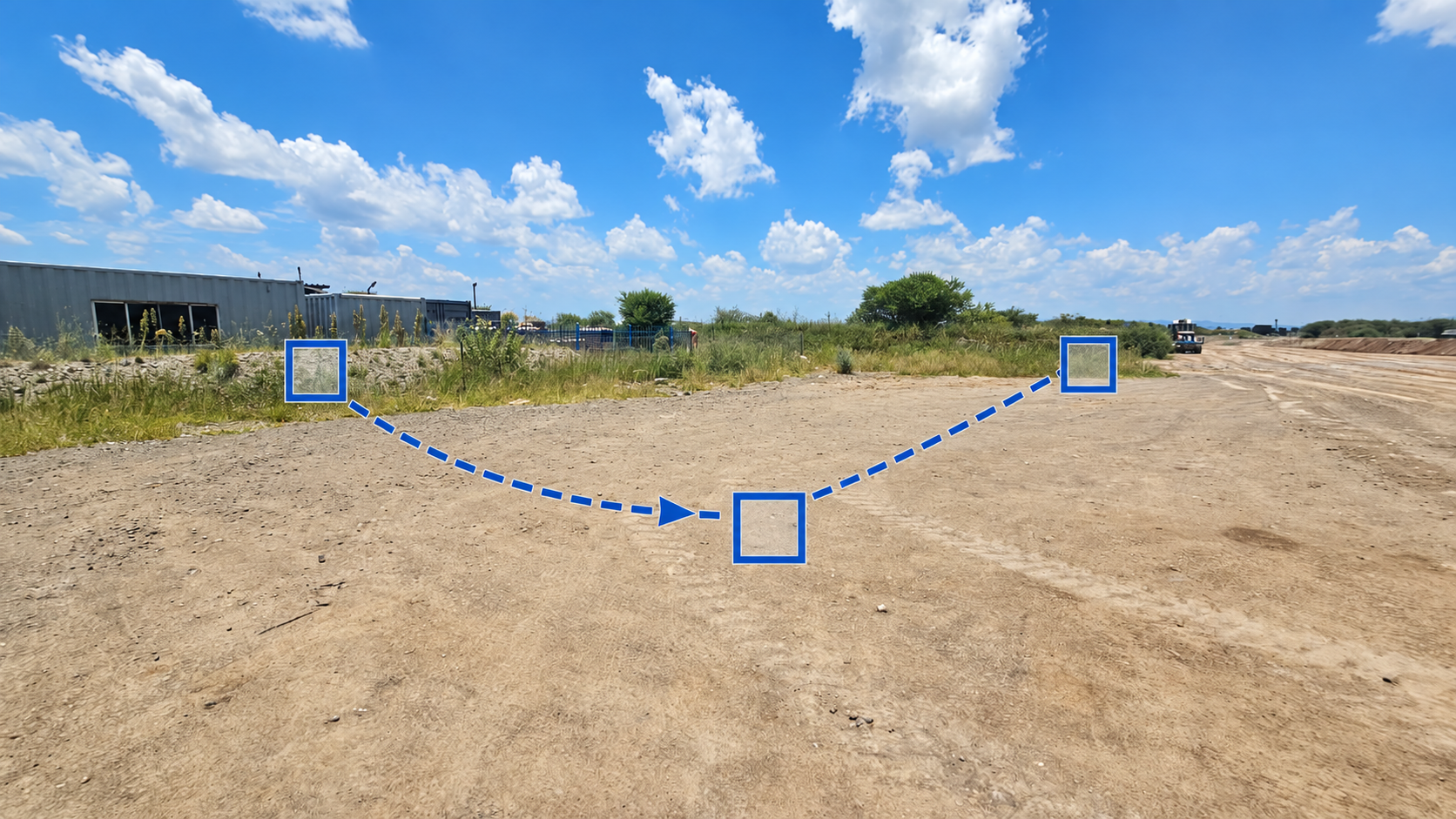
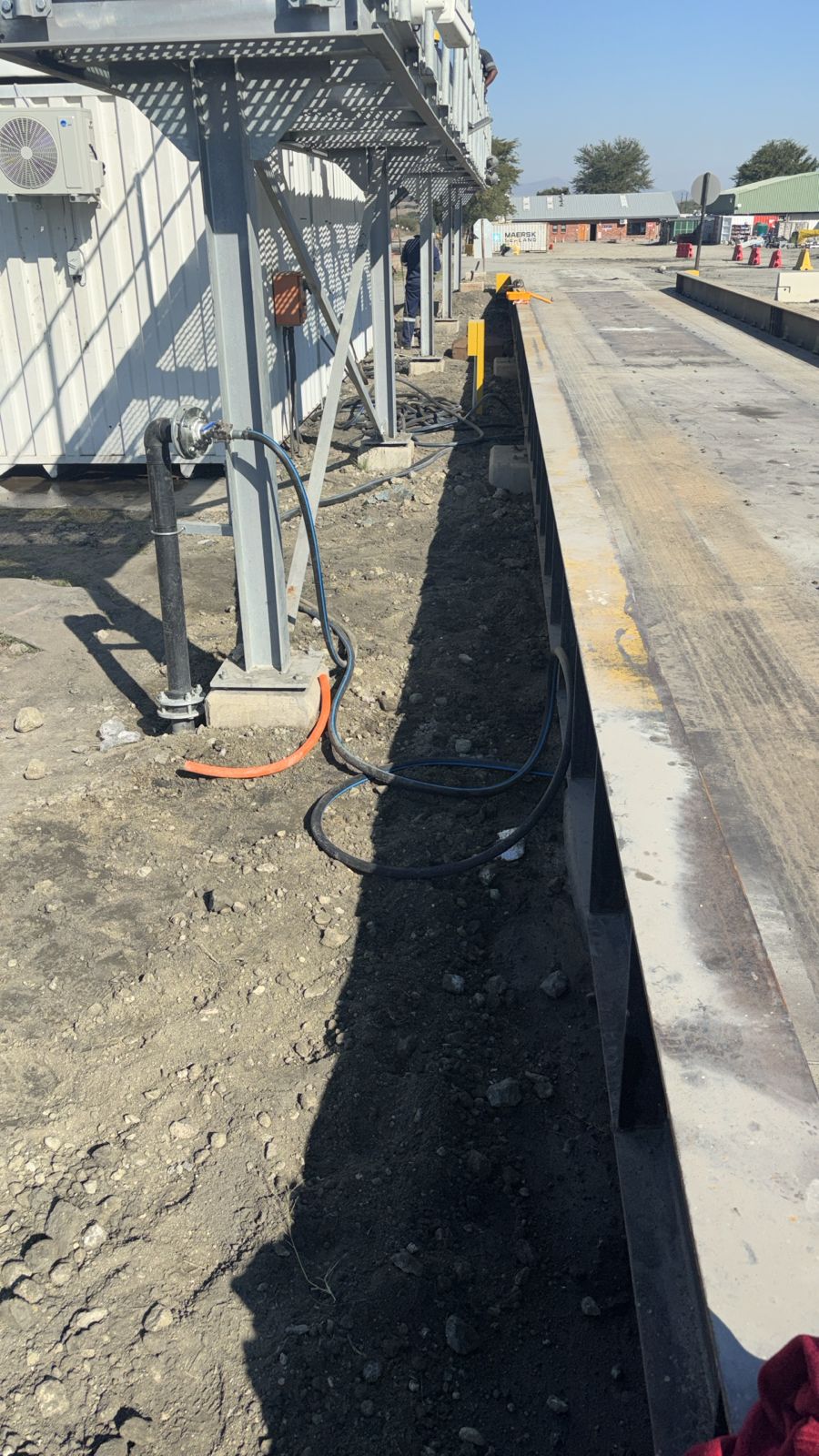
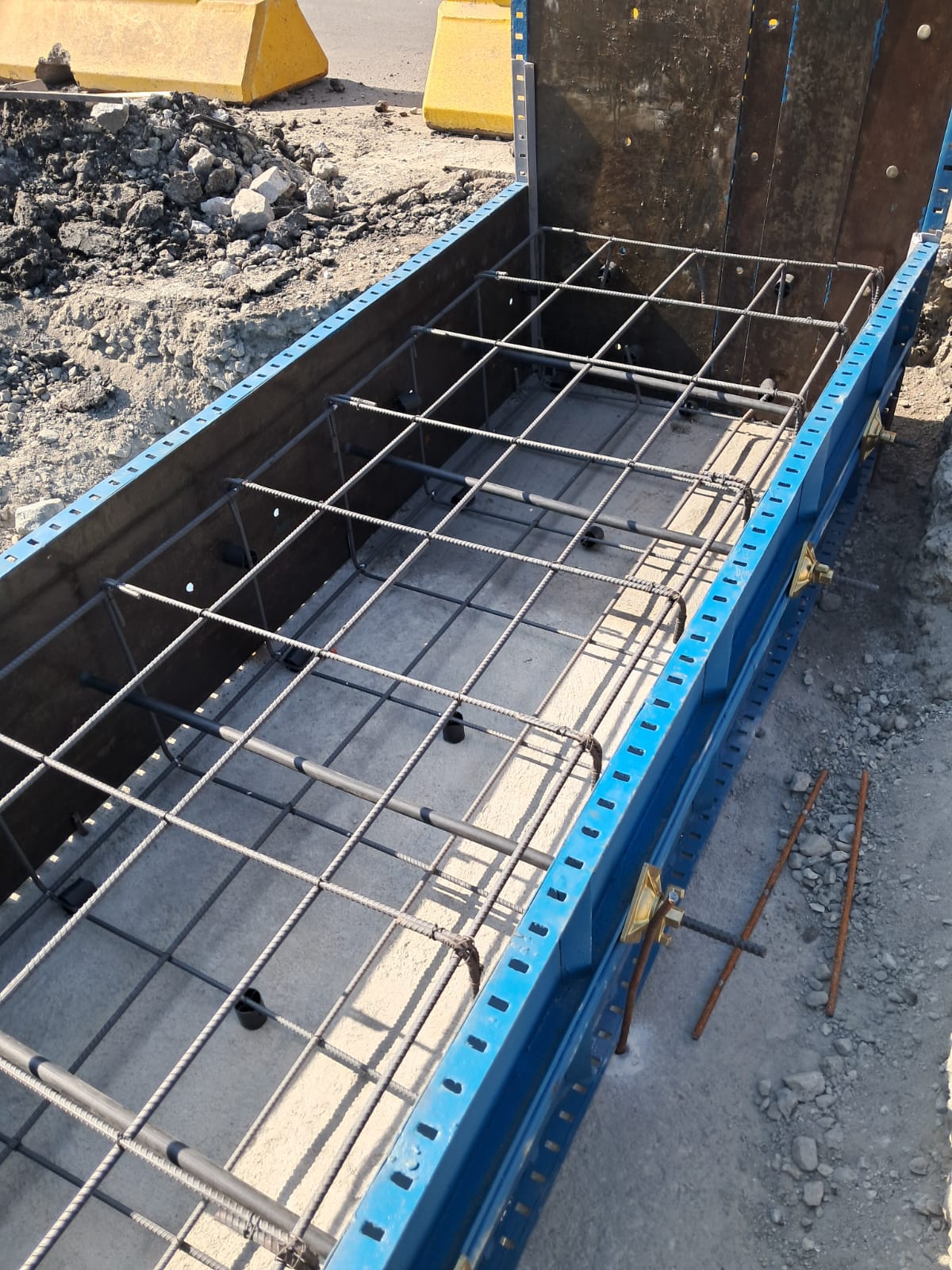
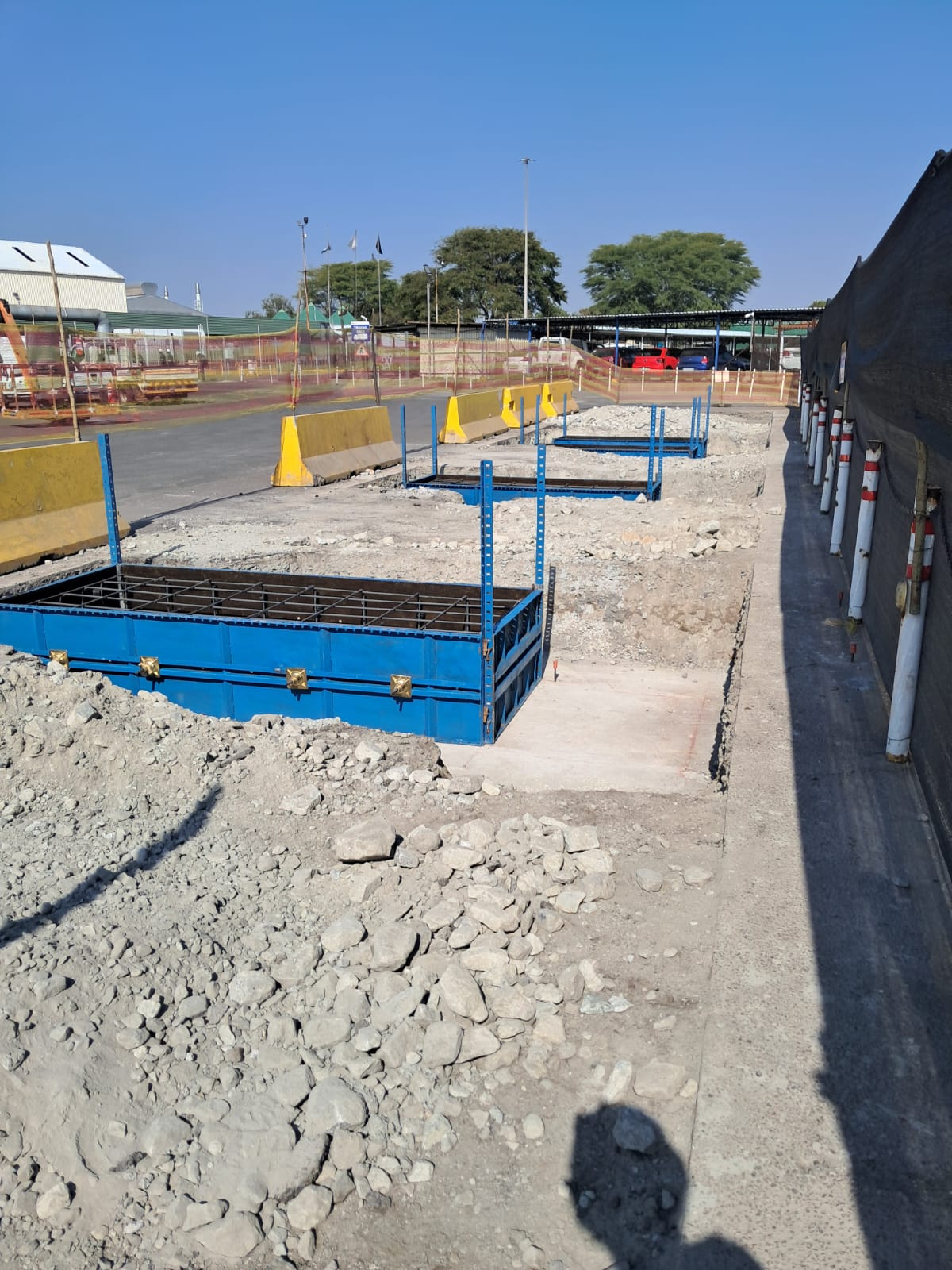
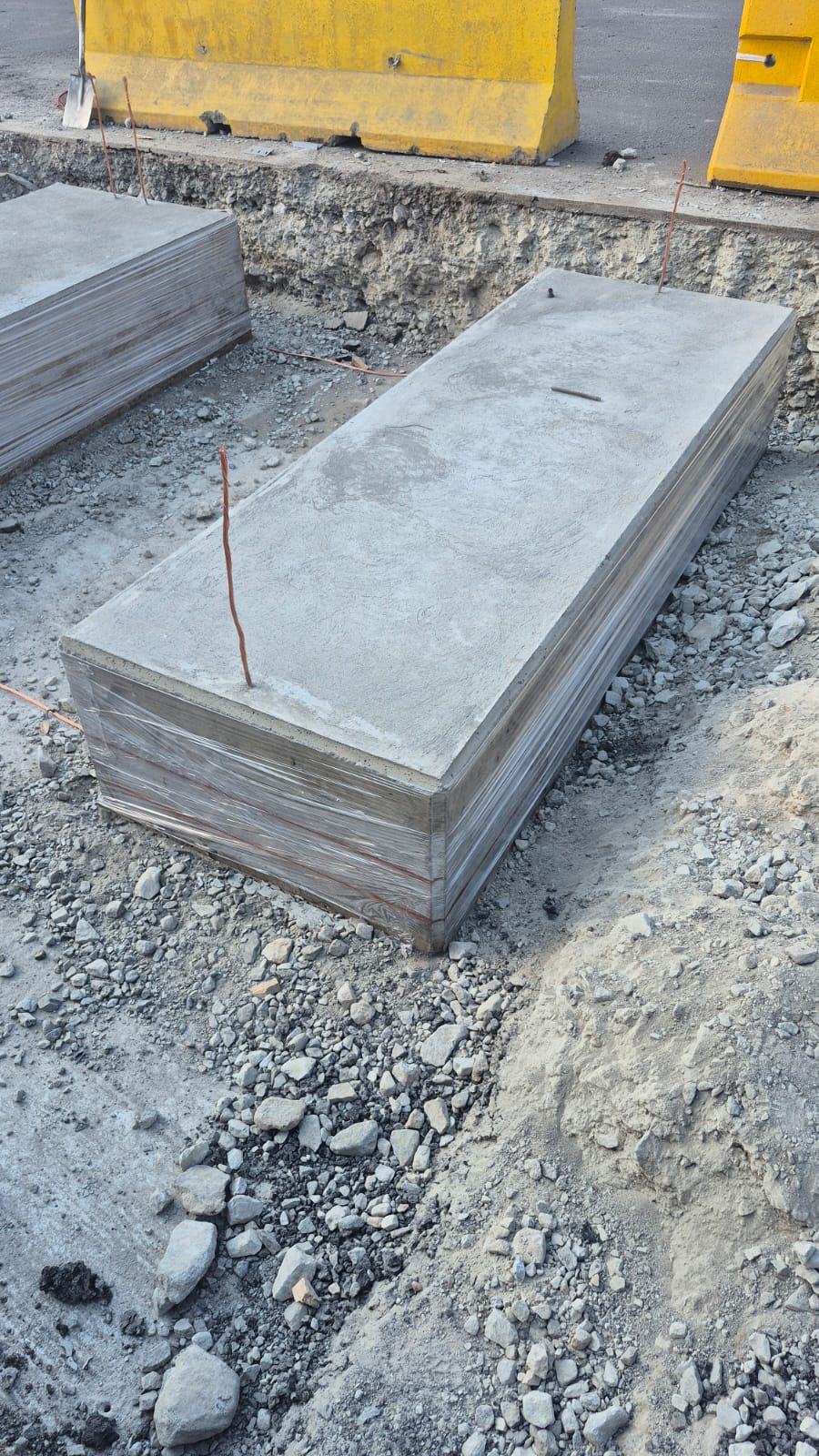
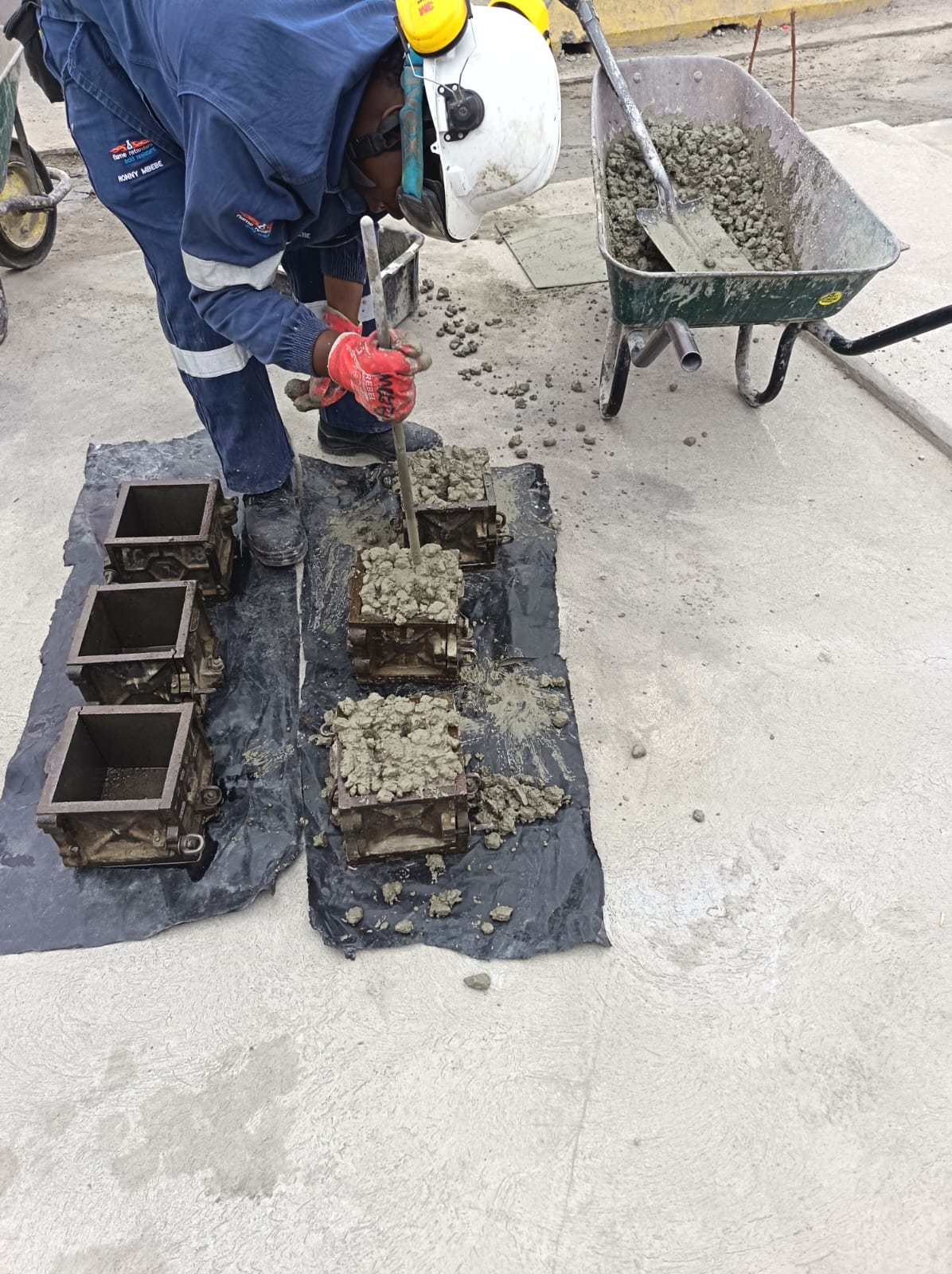
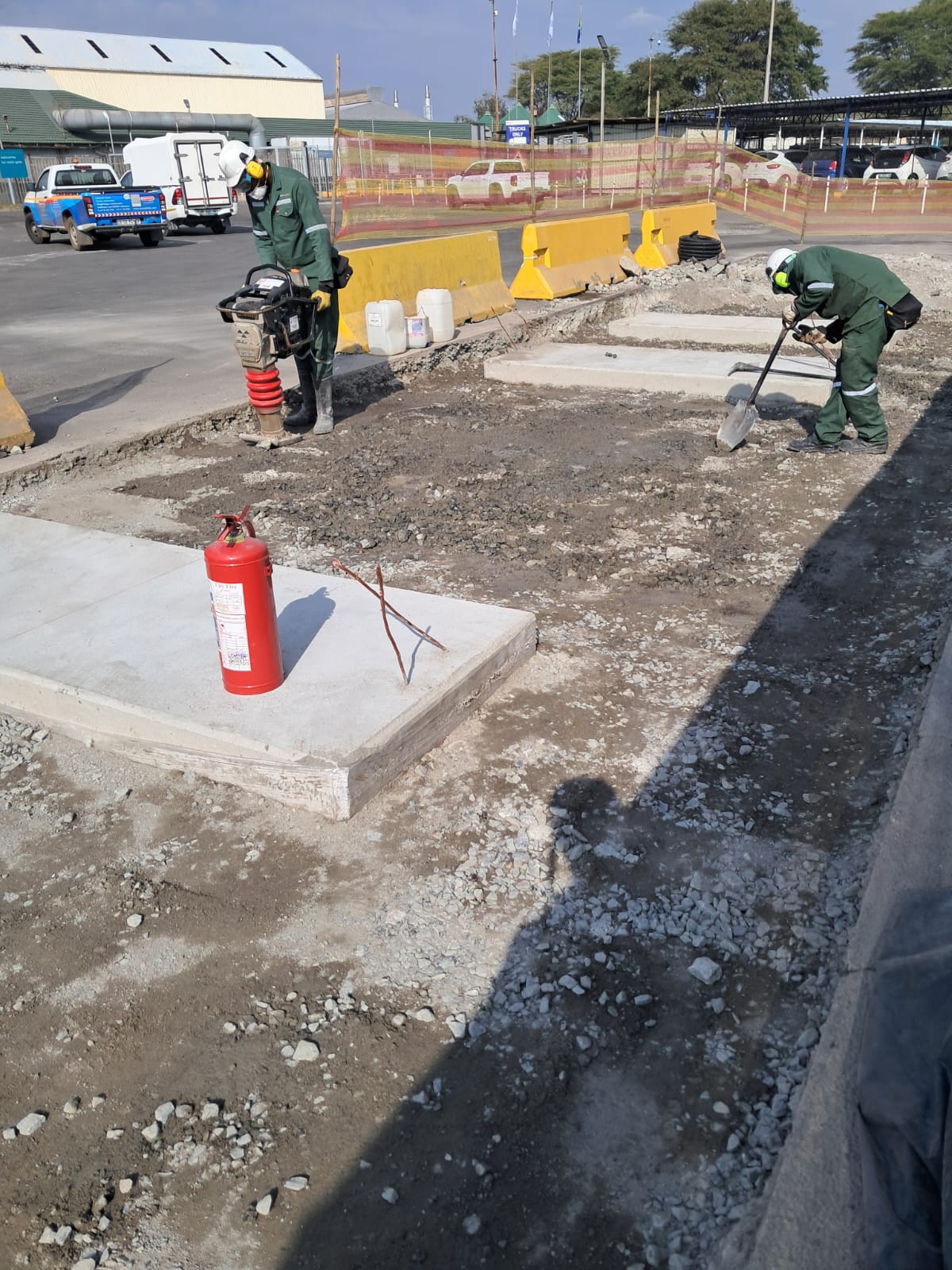
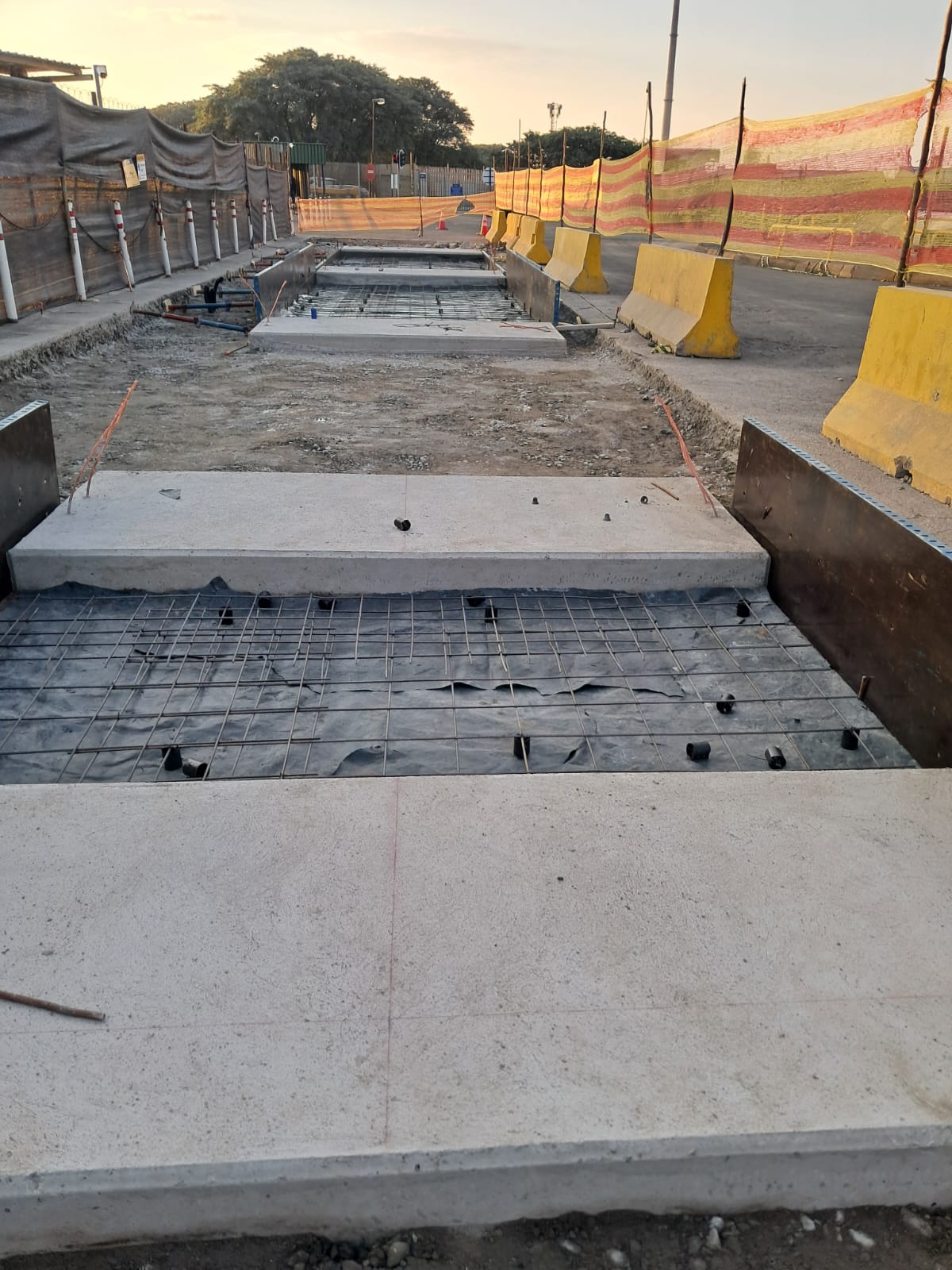
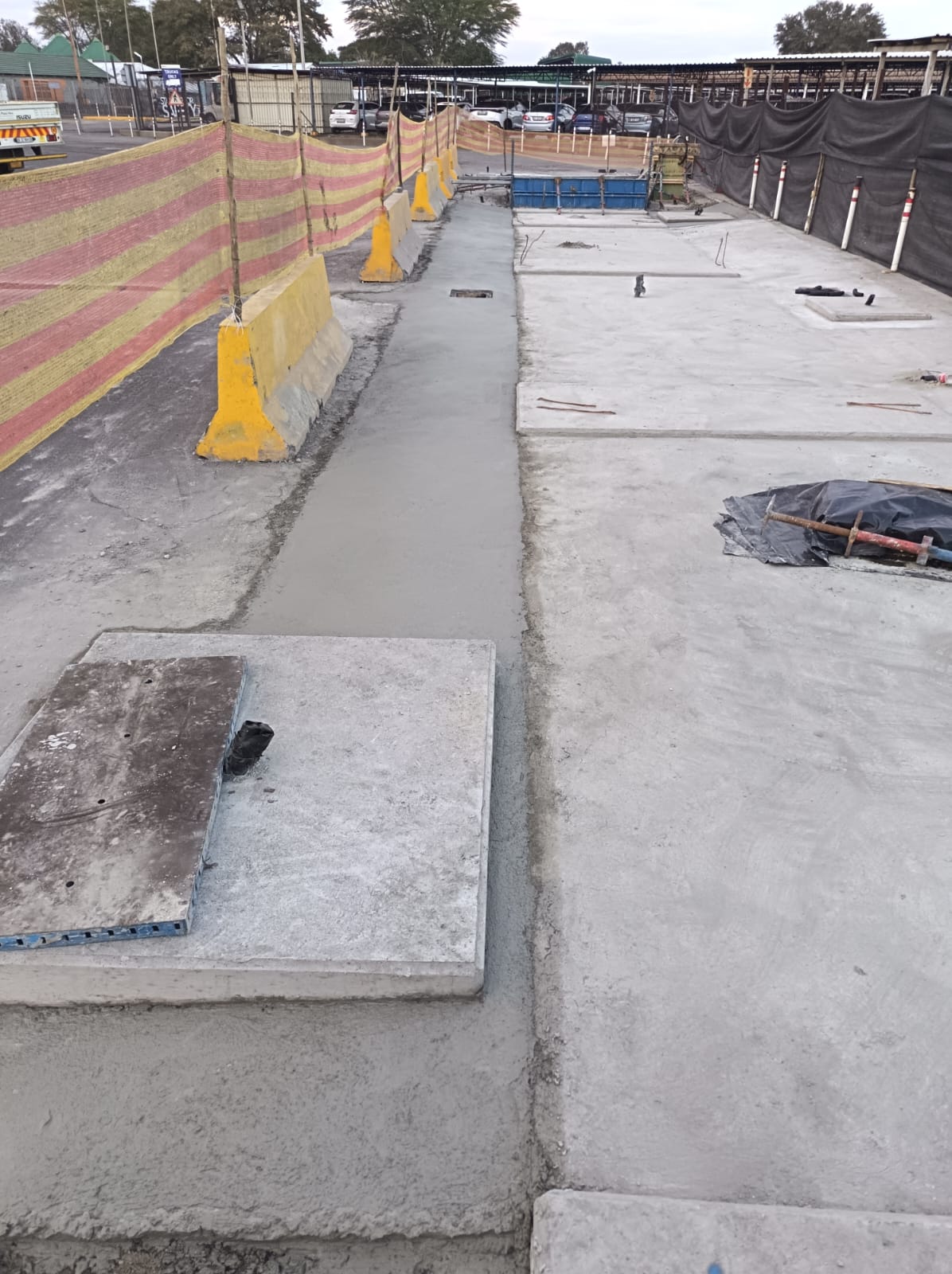
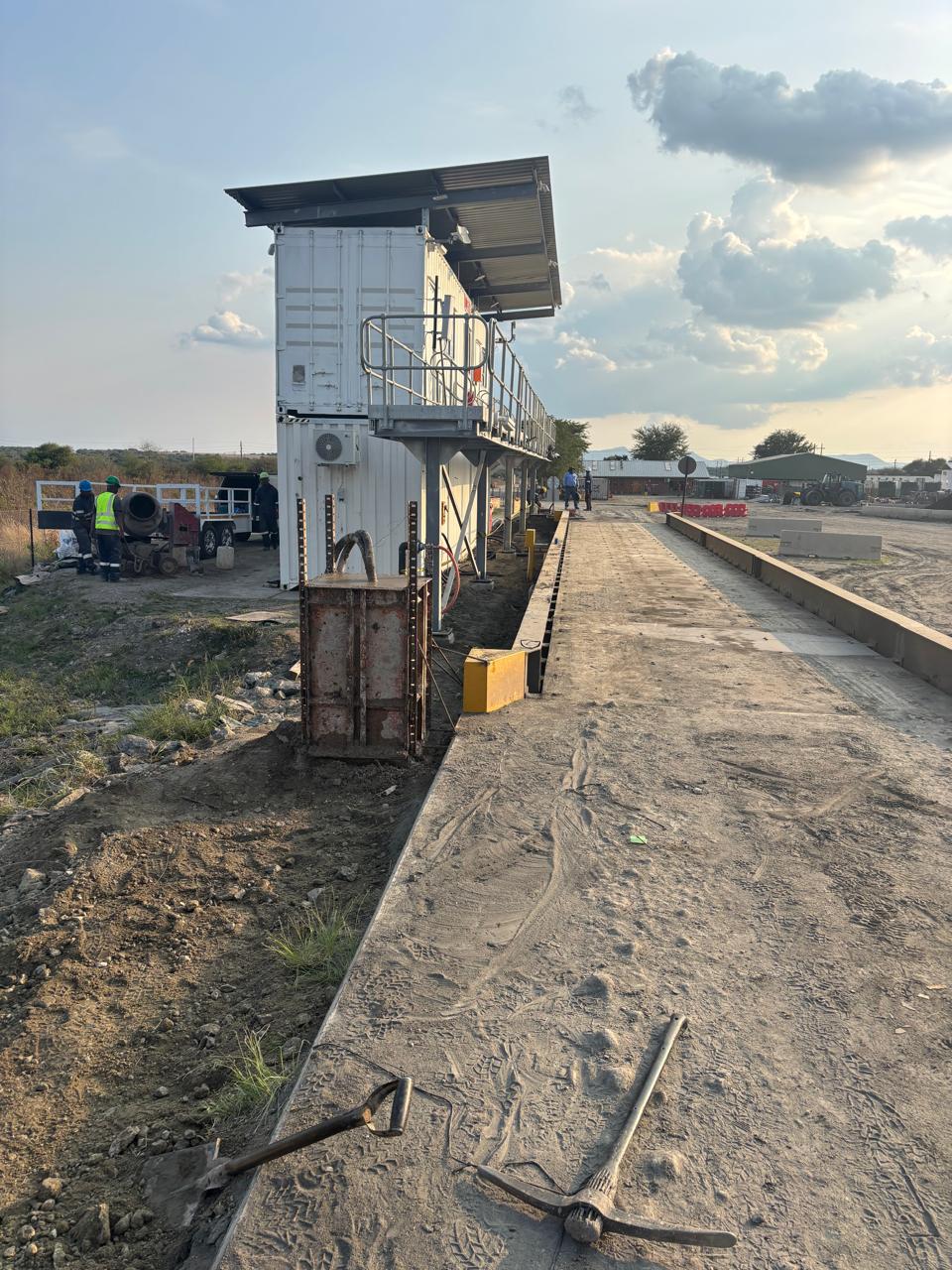
PROJECT LESSON: Capacity, automation, civils, software and operating procedures must be designed as one system. Connecting the two areas allowed the mine to control vehicle movements across a 2.4 km operational separation.
11. Reconciliation: turning measurements into control
Reconciliation compares related quantities across defined boundaries and periods. The objective is not to force every number to match. It is to explain the difference using known movements, timing, moisture, sampling, stock changes, process loss and measurement uncertainty. A credible reconciliation identifies which measurements are independent, which derive from the same source, and which are estimates.
Start with a simple mass-balance map. Mark each incoming flow, outgoing flow and inventory change. Assign an owner, instrument, method, frequency and expected performance to each point. Then establish tolerance bands and an investigation workflow. If teams only review differences after month end, the evidence required to diagnose the cause may already be gone.
| USEFUL PRINCIPLE: Measure as close as practical to the point where operational or commercial responsibility changes. |
12. Verification, calibration and traceability
These terms answer different questions. Calibration establishes how an indication relates to reference values under stated conditions and should produce evidence that includes results and uncertainty. Adjustment changes the instrument. Verification is a legal-metrology conformity activity where the instrument is used for a regulated purpose. Traceability describes the documented chain linking measurement results to recognised references.
A calibration certificate does not automatically make an instrument legally verified, and a verification mark does not remove the need for maintenance or ongoing operational checks. Mines should maintain an asset register that records intended use, jurisdiction, approval or verification status where applicable, calibration or test method, due dates, seals, software versions, repairs and evidence of work performed.
13. Harsh and remote operating conditions
African mining sites can expose weighing systems to dust, water, corrosion, temperature variation, lightning, unstable power, vibration, difficult access and limited connectivity. These are design inputs, not afterthoughts. Enclosures, cable routes, surge protection, drainage, access for cleaning, load-cell protection, spare-parts strategy and remote diagnostics should be specified against the actual site.
Remote monitoring is most valuable when it helps the right person distinguish a communications fault from an instrument fault, identify drift or abnormal behaviour early, and plan a site intervention with the correct parts and skills. It should not create a false impression that physical inspection, cleaning and preventive maintenance are optional.
14. A practical specification checklist
-
- Purpose: What decision or transaction will the measurement support?
- Material: What is being weighed, and how do moisture, dust and flow behaviour change?
- Range: What are the normal and maximum loads or flow rates, including future demand?
- Performance: What accuracy, repeatability, availability and evidence are genuinely required?
- Legal status: Is the use regulated, and which national requirements apply?
- Environment: What dust, water, corrosion, temperature, vibration, lightning or hazardous-area risks exist?
- Civil and mechanical interface: What foundations, supports, approaches, structures and flexible connections are required?
- Data: Which systems must exchange data, and how will identity, time, permissions, audit trails and offline operation work?
- Acceptance: Which factory, site, material and operational tests will prove performance?
- Lifecycle: Who will inspect, clean, calibrate, verify, service and support the system, and what spares are critical?
15. Common warning signs
-
- Persistent unexplained differences between production, dispatch and receipt quantities.
- Frequent zero drift, unstable readings or inconsistent repeat results.
- Manual overrides or spreadsheet corrections with no controlled reason codes.
- A calibration routine that ignores the mechanical system or actual operating range.
- Blocked drainage, contaminated approaches, material build-up or mechanical binding.
- Disconnected time periods or material definitions across plant, weighbridge and ERP reports.
- No clear owner for instrument status, software master data or reconciliation exceptions.
16. Choosing the right project approach
A successful mining weighing project begins with the material flow and the decision the measurement must support. Only then should the team select the instrument, civil and mechanical design, automation, software and service model. The best solution is not necessarily the instrument with the finest display resolution or the most features. It is the complete system that produces dependable evidence at the required throughput, in the actual environment, over its operating life.
Sasco Africa’s Project Intelligence Consulting approach can help mine teams define the measurement purpose, map weighing points, review interfaces and risks, and develop an appropriate system and lifecycle plan. The outcome should be a weighing architecture that operations can run, engineering can maintain, finance can trust, and management can use.
Frequently Asked Questions
Ready to strengthen your mine’s weighing operation?
If you are planning a new weighing system, upgrading an existing installation or questioning the accuracy of your current results, our team is ready to help. Sasco Africa can assist with reviewing your site, weighing requirements, system specification and overall measurement architecture to ensure your weighing points work together as a reliable and traceable system.
If you have any questions about our mining weighing solutions, please contact us via our online contact form. You can also phone the Sasco Support Centre directly on either +27 83 680 0722 or +27 11 746 6000.
Kyle Smith has extensive experience in industrial weighing, automation, software solutions and systems integration. He specialises in connecting weighing systems with ERP and other business platforms to improve accuracy, efficiency and operational control. With a practical, solutions-focused approach, Kyle works closely with customers to solve operational challenges and shares these insights through the Sasco Africa Knowledge Centre.