
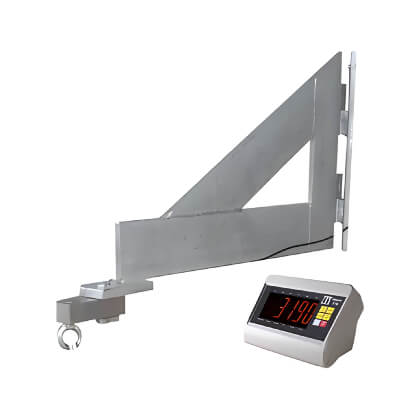
A scale that drifts out of accuracy costs more than most people realise. Every wrong reading at the goods bay can mean paying for stock that never arrived, logging figures that do not match reality or shipping product that fails a weight check down the line. The equipment that confirms your deliveries only earns its keep when it stays reliable day after day.
Keeping that equipment in good shape is not complicated, but it does take a routine. This article walks through the daily habits that protect accuracy, the deeper checks that catch wear before it spreads, the role of calibration and the signs that tell you when to call in a professional. Together these steps keep your readings honest and your operation running without nasty surprises.
Daily Cleaning and Visual Checks
The simplest habit is also the most valuable. Dust, spilled product, packaging scraps and moisture all build up on a weighing surface over time, and even a thin layer can throw off a reading. Wiping down the platform at the end of each shift keeps debris from settling into corners and load points where it causes the most trouble.
A quick look each morning catches problems early too. Staff should watch for cracked platforms, frayed cables, loose bolts and anything wedged under the deck that stops it moving freely. Caring for weighing equipment often comes down to spotting a small fault before it turns into a full breakdown that stops the whole receiving area.
Environment matters as well. Scales near loading doors face rain, temperature swings and grit blown in from outside, all of which speed up wear. Keeping the surrounding floor clear and dry protects the equipment and gives workers a safe, tidy space to handle incoming loads.
Routine Inspection of Working Parts
Beyond the surface, the parts that carry and measure the load need attention. Load cells, the sensors that turn weight into a signal, are sensitive to knocks, overloading and moisture. A periodic check of these components and their wiring helps you find damage that a casual glance would miss.
Overloading is one of the biggest hidden threats. When a load lands too hard or exceeds the rated capacity, it can strain the internal parts even if nothing looks wrong on the outside. Training staff to place goods gently and respect weight limits does as much for the lifespan of the equipment as any repair.
Moving parts and connections deserve a closer look on a set schedule. Bolts work loose with constant use, connectors corrode and cables chafe against sharp edges. Keeping intake scales accurate means tightening, cleaning and replacing these small items before they undermine the readings you depend on.
Calibration and Accuracy Testing
Even a spotless, well built scale drifts over time, which is why calibration sits at the heart of good maintenance. Calibration compares the reading against a known weight and adjusts the equipment so the two line up. Without it, you have no real proof that the number on the display can be trusted.
How often you calibrate depends on how hard the scale works and how strict your industry is. A busy bay handling heavy loads all day needs checking far more often than one used a few times a week. Many businesses run a quick in house test with certified weights between the formal calibrations carried out by a qualified technician.
Keeping records of every test builds a clear history you can rely on. If a customer, auditor or regulator questions a weight, a log of dated calibration results settles the matter fast. This paper trail also reveals slow trends, such as a scale that needs adjusting more and more often and may be nearing the end of its service life.
When to Call a Professional
Some jobs sit beyond routine cleaning and simple checks. If a scale shows readings that jump around, refuses to return to zero or throws error codes, these point to an internal fault that needs trained hands. Trying to force a fix without the right tools often makes the damage worse.
A service technician brings certified weights, diagnostic gear and the knowledge to repair load cells and electronics safely. Booking regular professional servicing, rather than waiting for a breakdown, keeps small issues from growing and reduces the risk of costly downtime at the worst possible moment.
Looking after your goods receiving scales is really a partnership between daily care by your own team and expert support when it counts. Knowing where that line sits saves money and keeps your intake process dependable through every season.
In Conclusion
Well maintained receiving scales protect your money, your records and your reputation. Through daily cleaning, regular inspection of the working parts, consistent calibration and timely professional service, you keep every reading accurate and your goods bay running smoothly. None of these steps is difficult on its own, but together they add up to equipment you can trust.
If you want dependable weighing that stands up to the demands of a busy operation, our team is ready to help. Get a quote for industrial and commercial weighing solutions and let us match you with equipment and support built for the way you work.