
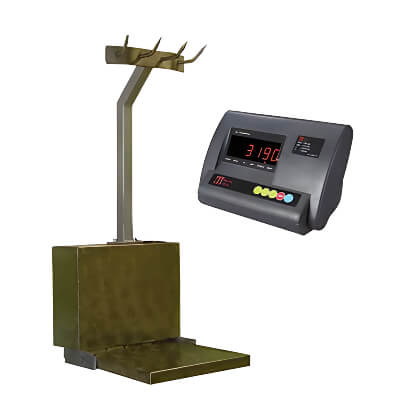
Every business that takes in stock needs a reliable way to confirm what actually arrives at the door. Whether a delivery is raw material for a factory, produce for a shop or bulk goods for a warehouse, the weight of that load tells a story about accuracy, honesty and value. Getting that number right at the point of arrival protects a company from paying for goods it never received.
That is where weighing at intake comes in. This article looks at how these scales confirm incoming deliveries, the part they play in stock control, the industries that rely on them most and the different types you might come across. By the end you should have a clear picture of why this simple step matters so much.
Confirming Incoming Deliveries
When a truck backs up to a loading bay, the paperwork says one thing and the actual cargo might say another. A scale placed at the point of arrival lets staff weigh each pallet, drum or container and compare that figure against the supplier invoice or purchase order. If the numbers do not match, the problem is caught right away rather than weeks later when the accounts no longer add up.
This kind of check protects a business from quiet losses. Suppliers sometimes ship short, and bulk goods can settle, spill or go missing in transit. Weighing items as they come through the door creates a record that either confirms the delivery or flags a shortfall, which gives the buyer solid ground to raise a claim.
There is also a quality angle. A load that weighs far more or less than expected can point to the wrong product, damaged packaging or contamination. Goods receiving scales that catch this at the dock keep questionable stock out of production and off the shelf, which saves time and reduces waste later on.
Keeping Stock Records Accurate
Good inventory control starts the moment goods enter a facility. When staff weigh items on arrival and log the result, the stock system reflects reality instead of an estimate. This matters most for products sold or used by weight, such as grain, metals, chemicals or food ingredients, where a rough count is never enough.
Accurate weighing at the dock also feeds better decisions further along. Planners can see exactly how much material is on hand, ordering teams know when to restock and finance has figures they can trust. Small errors at intake tend to grow as goods move through a plant, so fixing them early keeps the whole chain honest.
For businesses that handle high volumes, this step can be linked to software that records each weight automatically. That removes manual entry mistakes and builds a clear history of what came in and when. Over time the data helps spot patterns, such as a supplier who regularly delivers under weight.
Industries That Rely on Arrival Weighing
Warehousing and logistics lean heavily on weighing incoming stock, since these operations handle goods from many suppliers every day. A quick weight at intake lets them verify shipments, sort items correctly and pass accurate information to the customers waiting on that stock.
Food processing and agriculture are another major user. Ingredients, produce and raw crops are often bought and sold by weight, so a precise reading on arrival protects both sides of the deal. The same goes for recycling and scrap yards, where inbound weighing scales set the value of every load that comes through the gate.
Manufacturing and pharmaceutical plants depend on this step too. Raw materials need to be measured before they enter a process, both to control cost and to meet strict quality rules. In these settings a dependable weight check on arrival is not a nice extra but a core part of daily work.
Matching the Equipment to the Load
The right tool depends on what is being weighed and how it arrives. Floor and platform scales are among the most common, since they sit close to the ground and let workers roll or lift heavy pallets straight onto the deck. These handle a wide range of loads and suit busy bays.
For lighter goods, bench scales offer a smaller footprint and fast readings, which works well for boxed items or sample checks. Pallet and forklift scales go a step further by weighing loads while they are being moved, so goods are measured without an extra stop.
Drum and barrel models serve businesses that take in liquids or bulk powders. Whatever the format, receiving station scales that match the weight range, environment and workflow keep readings accurate and the whole area running smoothly.
In Conclusion
Scales at the point of arrival do far more than show a number. They confirm that deliveries match the paperwork, keep inventory honest, protect quality and give businesses across many industries the confidence to trust what enters their doors. From platform decks on a loading bay to forklift units on the move, the right setup turns a simple weight check into a real safeguard.
If you are ready to strengthen how your business handles incoming goods, our team is here to help. Get a quote for industrial and commercial weighing solutions and let us match you with equipment built for the way you work.